

What is Search Engine
what is search engine: A search engine is a software program that uses user searches to retrieve information from the World Wide Web, acting as a bridge between users and the vast amount of online data by indexing web pages and returning relevant results.
Understanding Search Engines and How They Work
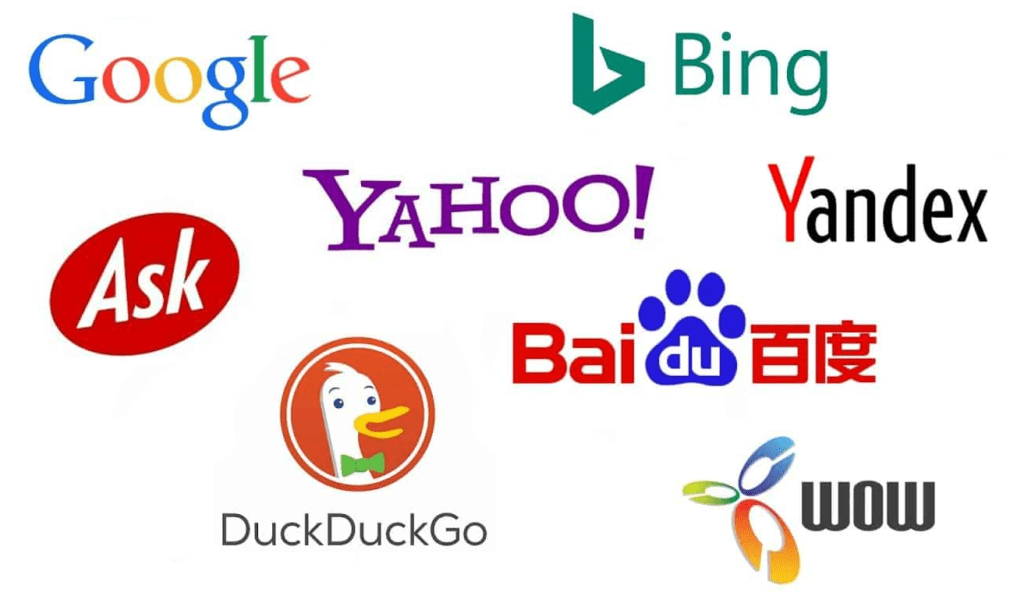
Search engines like a Google, Bing, and Yahoo. They provide answers to questions, study topics, and track websites. This post delves into the internal workings of these engines, their algorithms, and how they provide relevant results despite vast web content.
How Search Engines Operate
Web Crawling:
Web crawling is the first step in the search engine process. Search engines use bots called spiders or crawlers to navigate and collect data from websites all across the Internet. Beginning with a few recognised pages, these bots follow links between pages, eventually forming a large network. They return to these web pages in their search index regularly to maintain it as current as feasible.
Indexing:
After web crawlers collect data from web pages, search engines produce an index – think of this index as a massive database containing information about the content and structure of web pages – allowing search engines to swiftly obtain relevant results when a search query is submitted.
Ranking:
When users input search queries into search engines, an algorithm analyses them and compares them to information in an index. Search engines utilise a variety of ranking elements to determine how relevant each web page is to a query, including keyword usage, content quality metrics, user engagement metrics, and website authority.
Retrieval and Display:
After rating websites based on relevancy, the search engine obtains and effectively displays its top results to the user. This entails picking appropriate snippets or descriptions for each result to give consumers a taste of its content before clicking through to view its whole.
Algorithms for Search Engines Include Important Components
Keywords are words or phrases that users type into a search bar, and search engines utilise these terms to analyse user intent and discover web pages with relevant information. If websites wish to appear on search engine results pages, they must use proper keyword optimisation.
Quality of Content:
Search engines prioritize websites with high-quality content, which must be useful, well-structured, and error-free to provide value to consumers and meet their needs.
Backlinks and Authority:
Backlinks (also known as inbound links or backlinks) are linked from other websites to your page that search engines employ to determine its authority; more authoritative backlinks result in higher search engine ranks.
Mobile-Friendliness:
Mobile device usage is increasing, leading search engines to prioritize mobile-friendly websites. Responsive and mobile-friendly websites rank higher in search results.
Page Load Speed:
Search engines favour websites that load quickly; slow-loading pages can contribute to poor user experiences and worse search rankings.
Conclusion
Search engines have revolutionized internet information retrieval by crawling, indexing, ranking, and returning relevant results. Understanding their workings enables website owners to optimize content, while consumers can fully utilize these tools, with search engines continuously improving algorithms.